Case 03 / Product ownership Prepared for CJ

Evidence trail selected

I turn an idea into evidence.

I’m Erikka Young, an operations professional, founder, and product-minded systems builder. Follow one idea from paper to manufactured product, service business, digital diagnostic, and controlled validation.

Begin the investigation ↓
PROCESS
made visible
PRODUCT
brought to life
PROOF
made inspectable

Case thesis

This is not a list of claims. It is a trail of decisions, artifacts, and outcomes.

01 Process 02 Product 03 Proof
Exhibit 01 The unmet need

An idea is not yet a product.

Case file entry / Erikka Young

It began as an idea on paper.

Before there was a manufactured planner, a consulting practice, or a digital assessment, there was a problem worth solving. People were carrying plans, decisions, emotions, and business details in too many disconnected places.
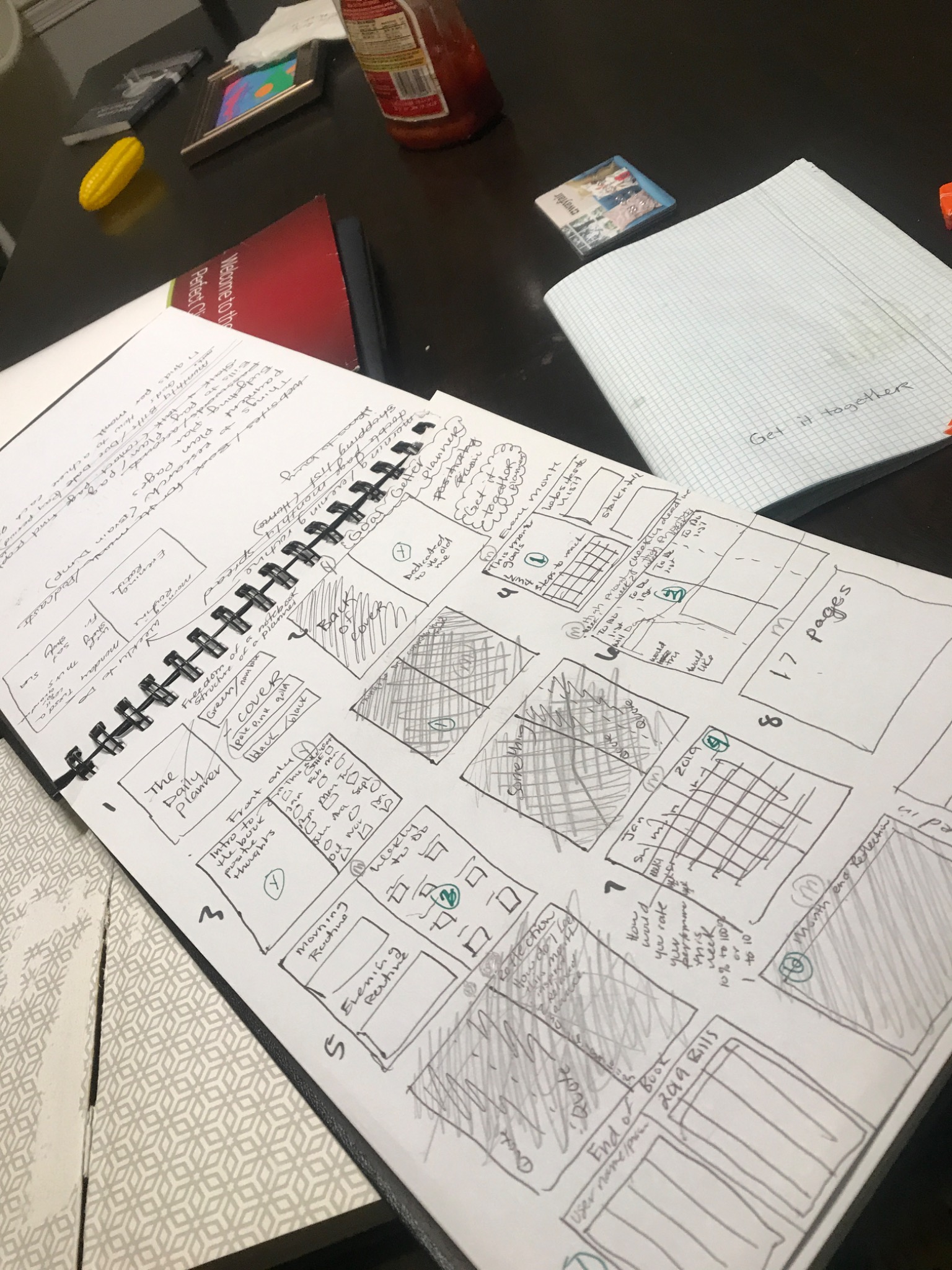
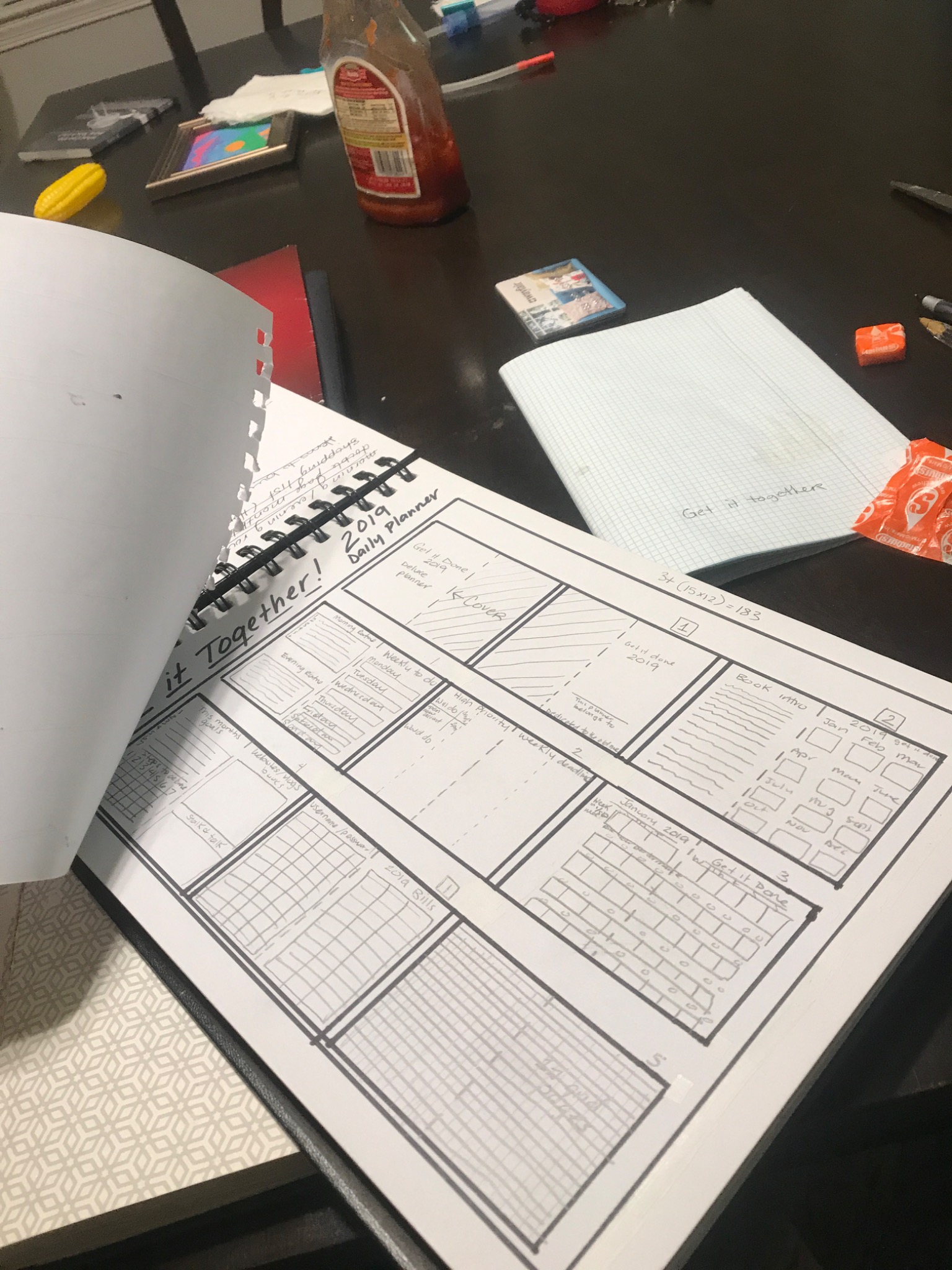
Erikka Young's hand-drawn planner page map with numbered layouts and annotations Erikka Young's detailed hand-drawn 2019 daily planner specification
Original working artifacts. Page architecture, sequence, content, calculations, and feature decisions, drawn by hand.
  • Observed a human need
  • Defined the intended outcome
  • Turned an idea into an initial structure
Exhibit 02 From paper to product

Structure made physical.

Case file entry / Erikka Young

The prototype became a physical system.

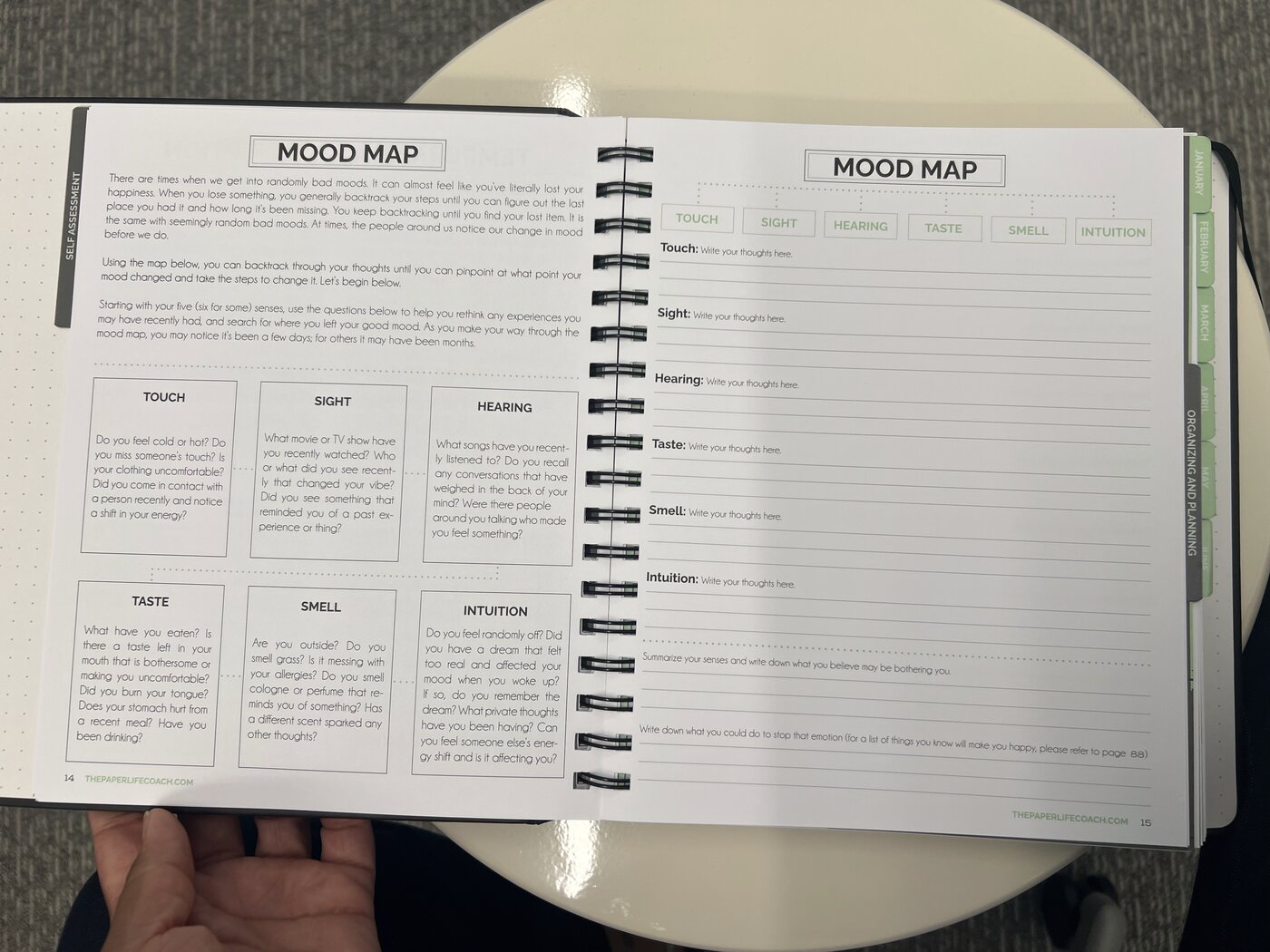
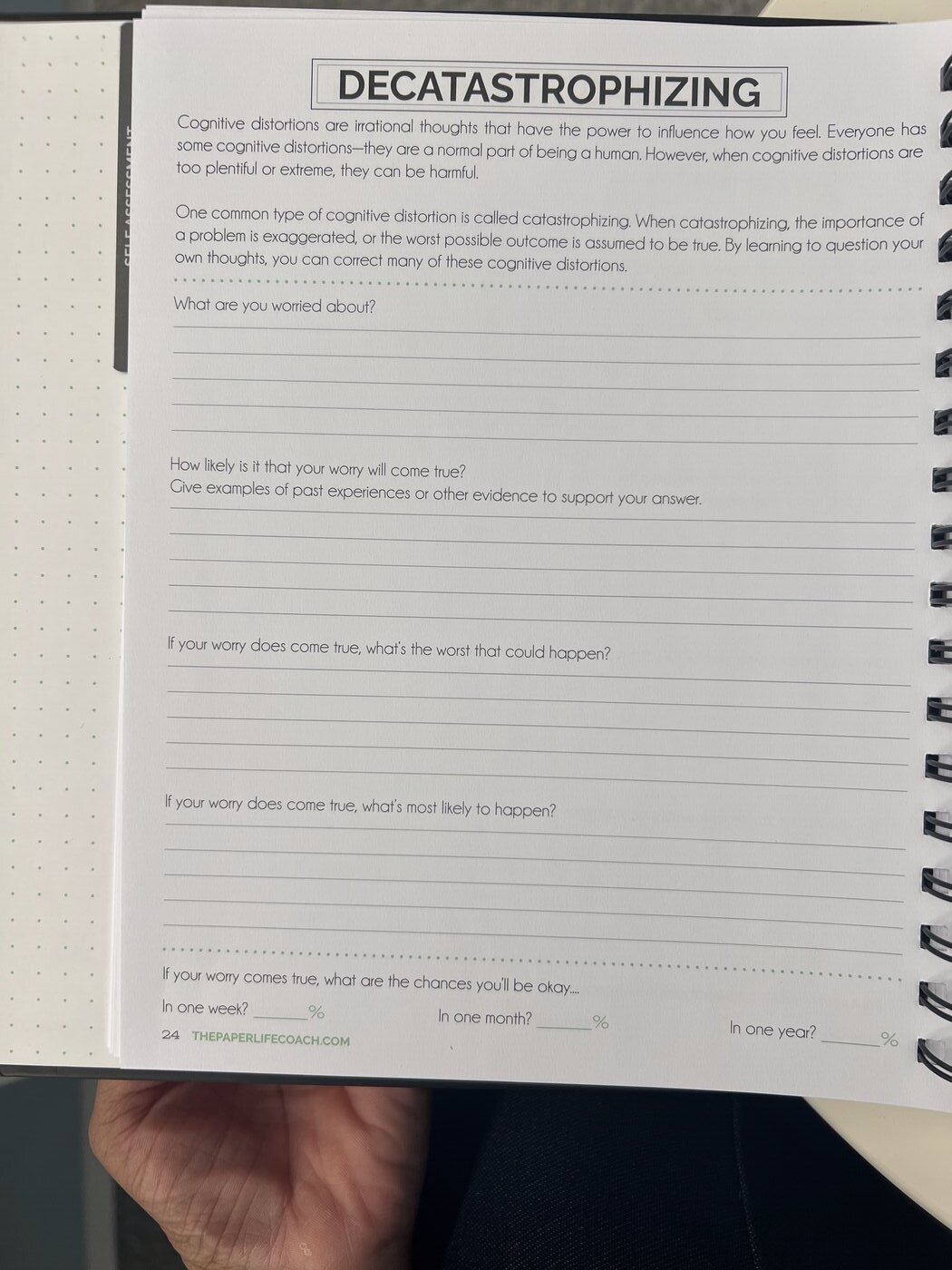
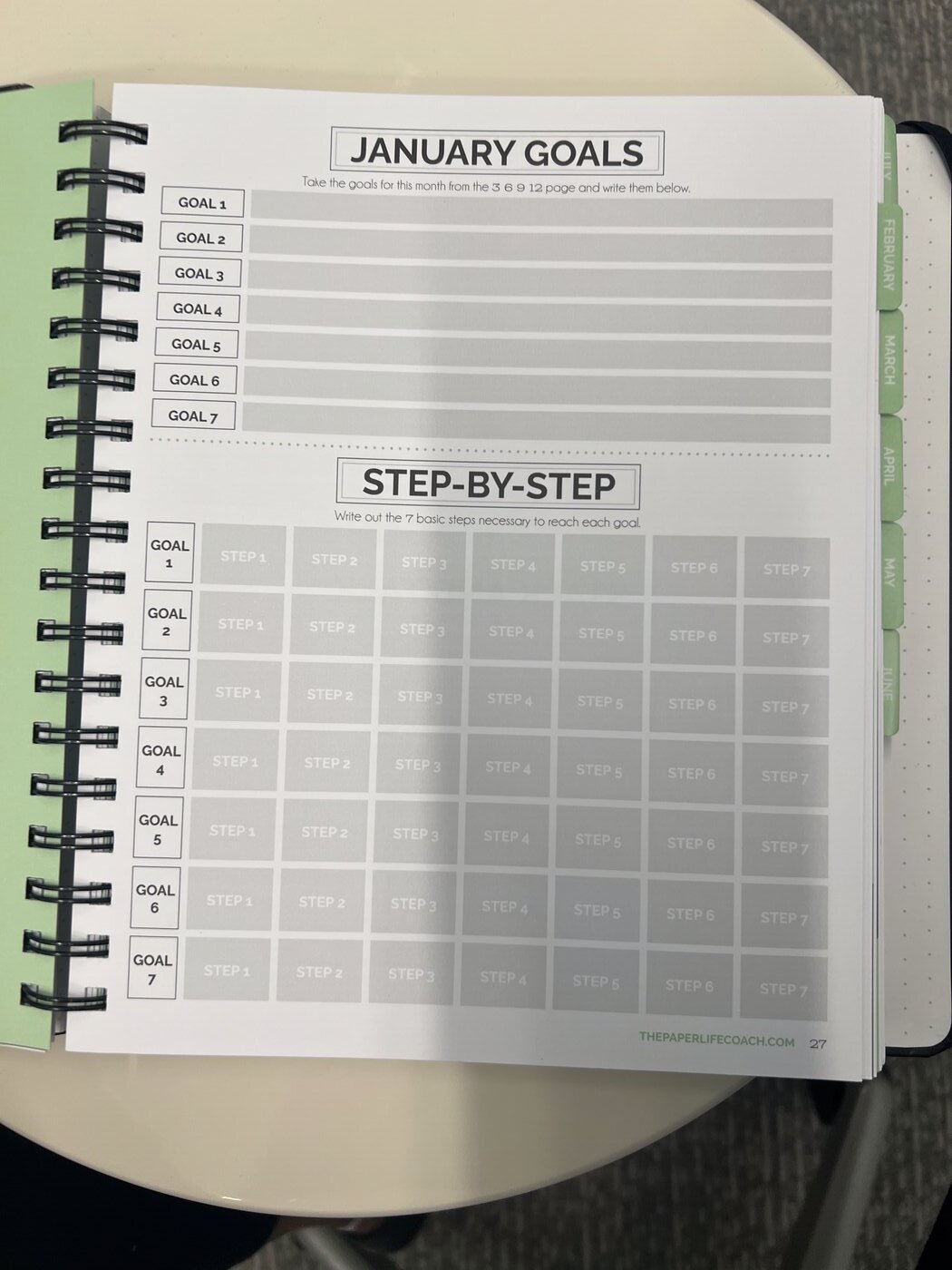
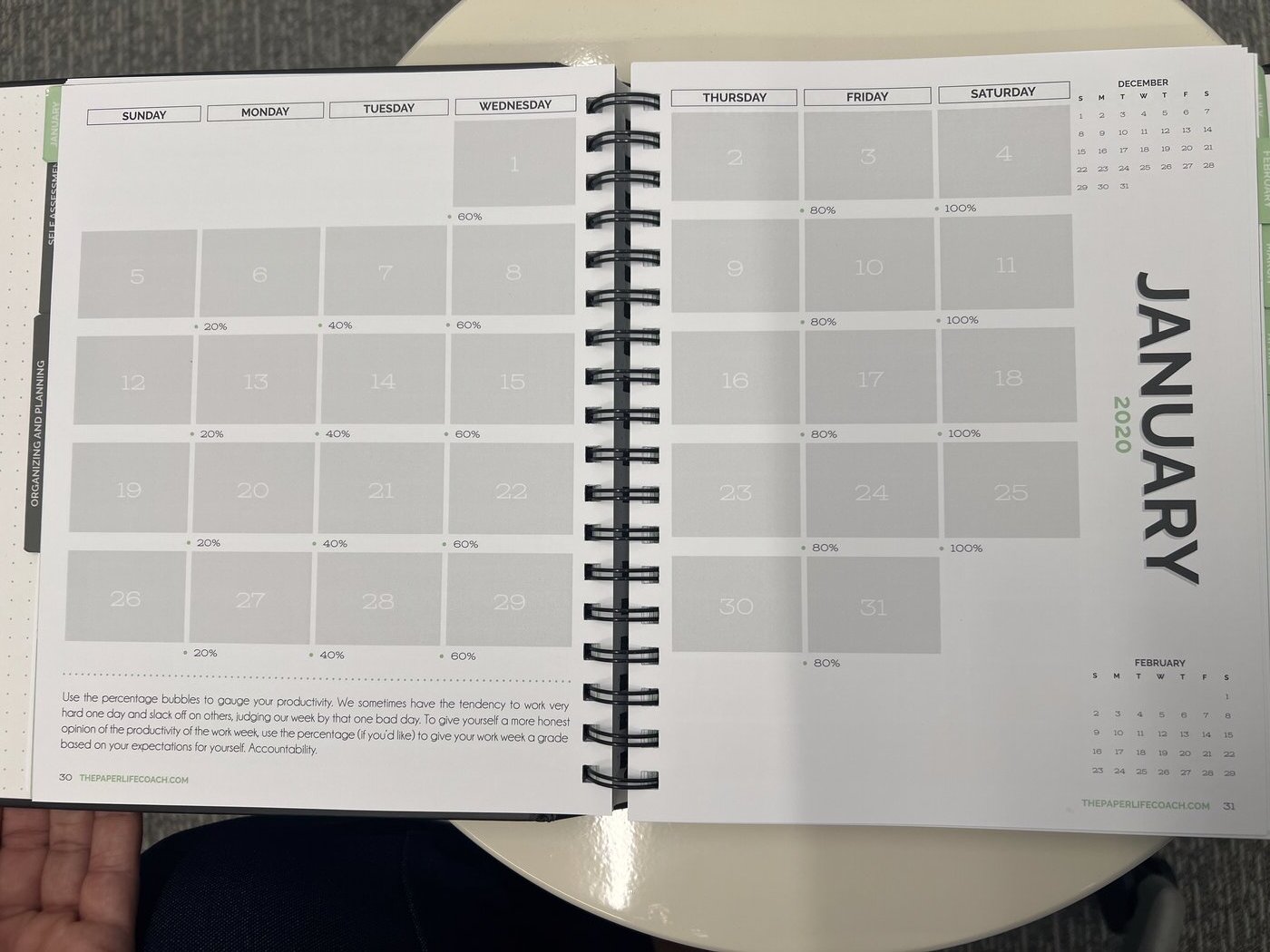
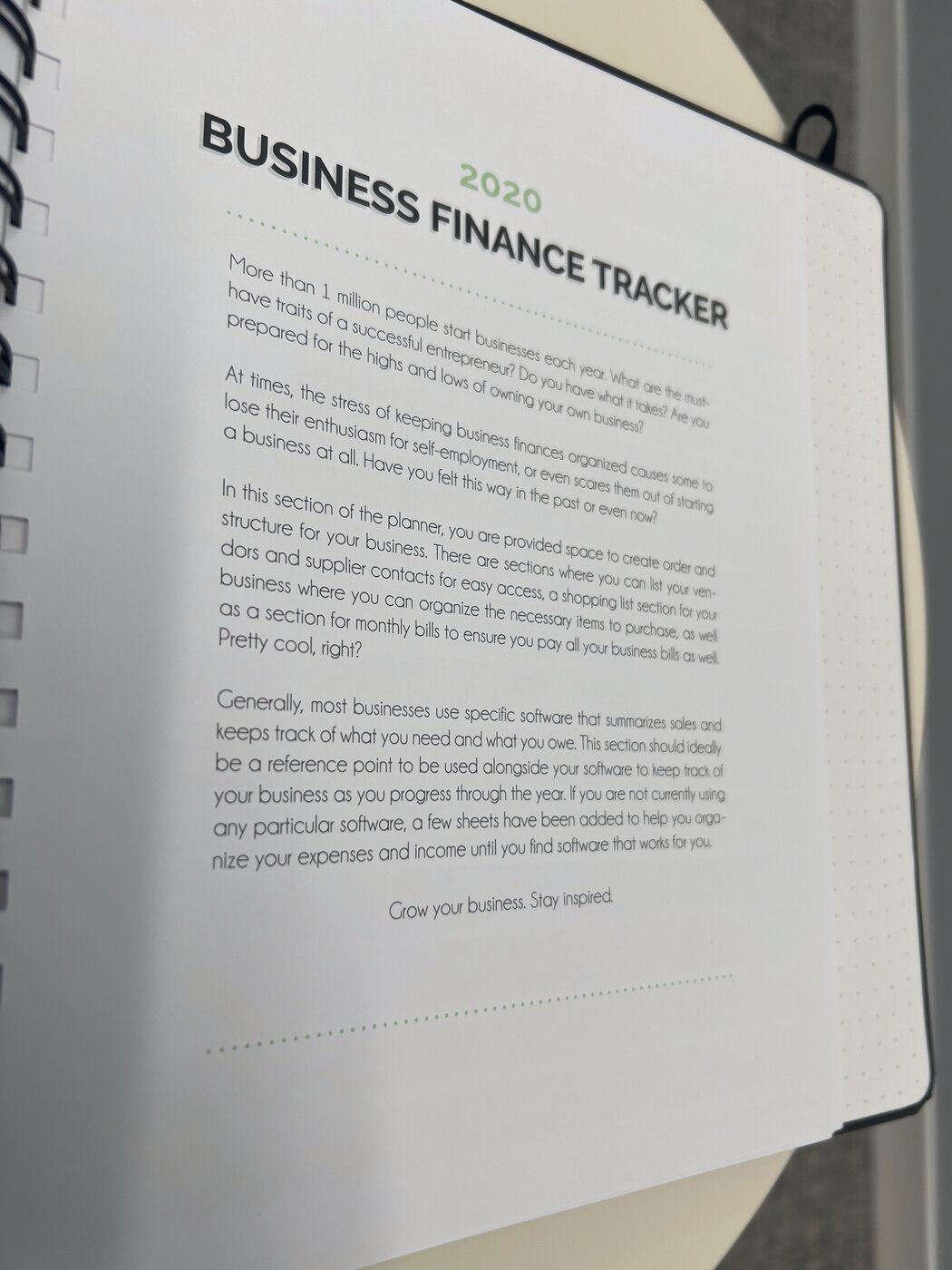
I turned the early pages into The Paper Life Coach: a guided planner with dot-grid planning, monthly structure, goal systems, a Mood Map, decatastrophizing exercises, business finance pages, expense tracking, supply tracking, bills, and business contacts.

Drag the book, use the range control, or the buttons below. Front, spine, and back are all inspectable.

  • Designed the content architecture
  • Connected features to user needs
  • Built a coherent end-to-end experience
Exhibit 03 Physical product ownership

Sold before it existed.

Case file entry / Erikka Young

A design is not a product until it can be delivered.

I sold the idea before a single unit existed. I turned the concept into production requirements, communicated directly with a manufacturer across a twelve hour time difference, and picked up enough of the process and the language to work across that gap. I reviewed what came back, positioned the product, and sold it through my own business.

  • Vendor and stakeholder communication
  • Requirements clarification
  • Quality judgment
  • Go to market and direct sales
Exhibit 04 Business evolution

Patterns become systems.

Case file entry / Erikka Young

The product revealed a larger operational problem.

I grew The Paper Life from stationery into full operations consulting for real clients, including Helium Group and Soul Smoked BBQ. Across that work I built more than 20 trackers, 20 to 25 reusable templates, 30 plus operational documents, and multiple SOPs.

  • Recognized repeatable needs
  • Built reusable systems
  • Evolved the offer from output to outcome
Exhibit 05 Digital product

Symptoms are not diagnoses.

Case file entry / Erikka Young

The next question was: what kind of help?

Business owners could describe the pain: overload, disorganization, stalled work, founder dependence. They could not always name the cause. I built the Business Bottleneck Assessment to turn those symptoms into a responsible diagnosis and a next step.

  • Framed the product opportunity
  • Defined users and jobs to be done
  • Connected customer value to business value
Exhibit 06 Decision design

Logic built for people.

Case file entry / Erikka Young

I turned domain knowledge into testable behavior.

I defined the diagnostic categories, wrote the customer facing language, designed the seven stage journey, and specified the branching and confirmation paths. I built solo mode rules and safeguards for ambiguity, loops, mixed conditions, and low confidence.

  • Customer language → requirements
  • Symptoms → decision logic
  • Edge cases → explicit rules
  • Diagnosis → service pathway
Exhibit 07 Controlled validation

Tested, not assumed.

Case file entry / Erikka Young

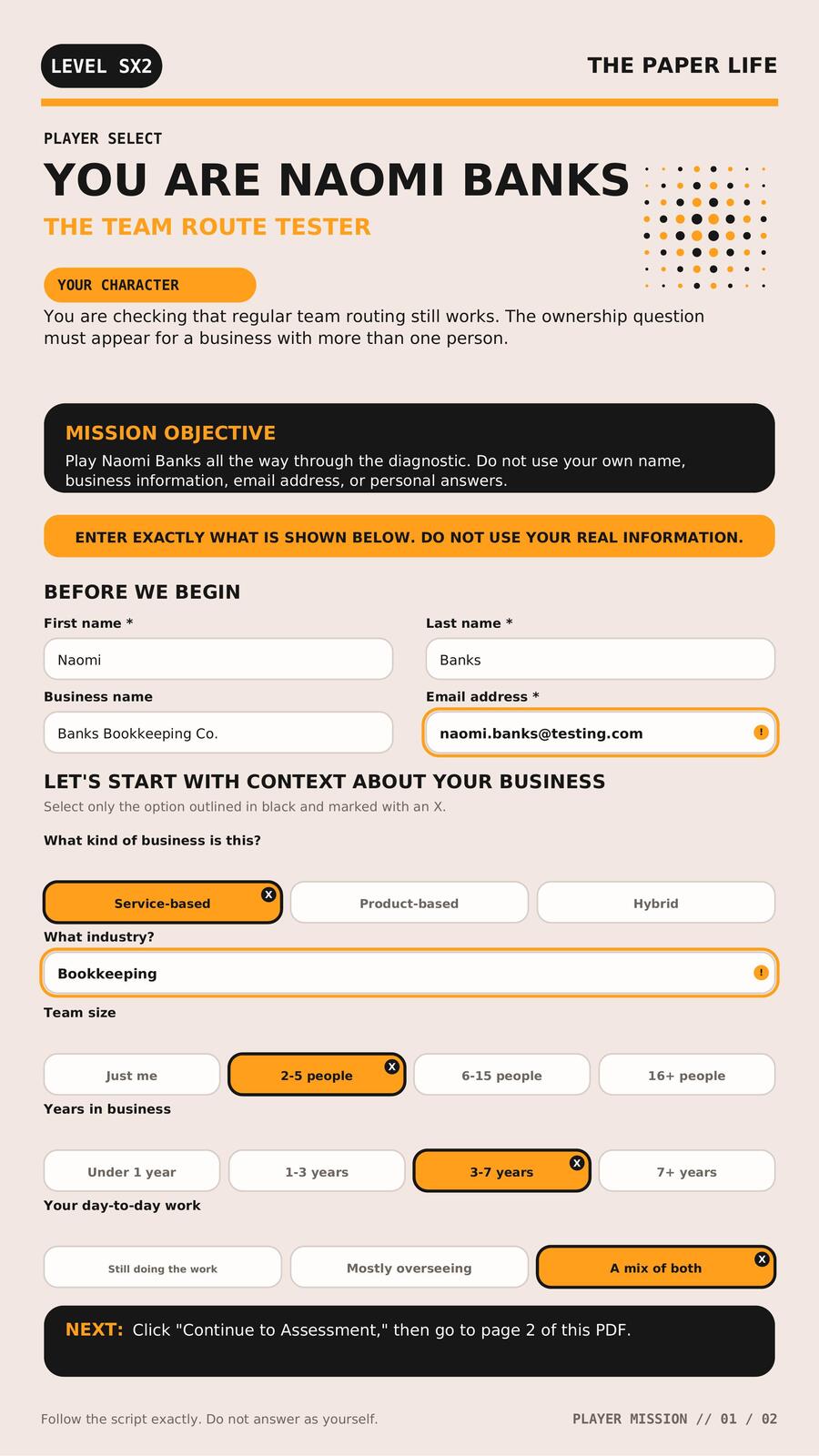
I did not ask people to click around.

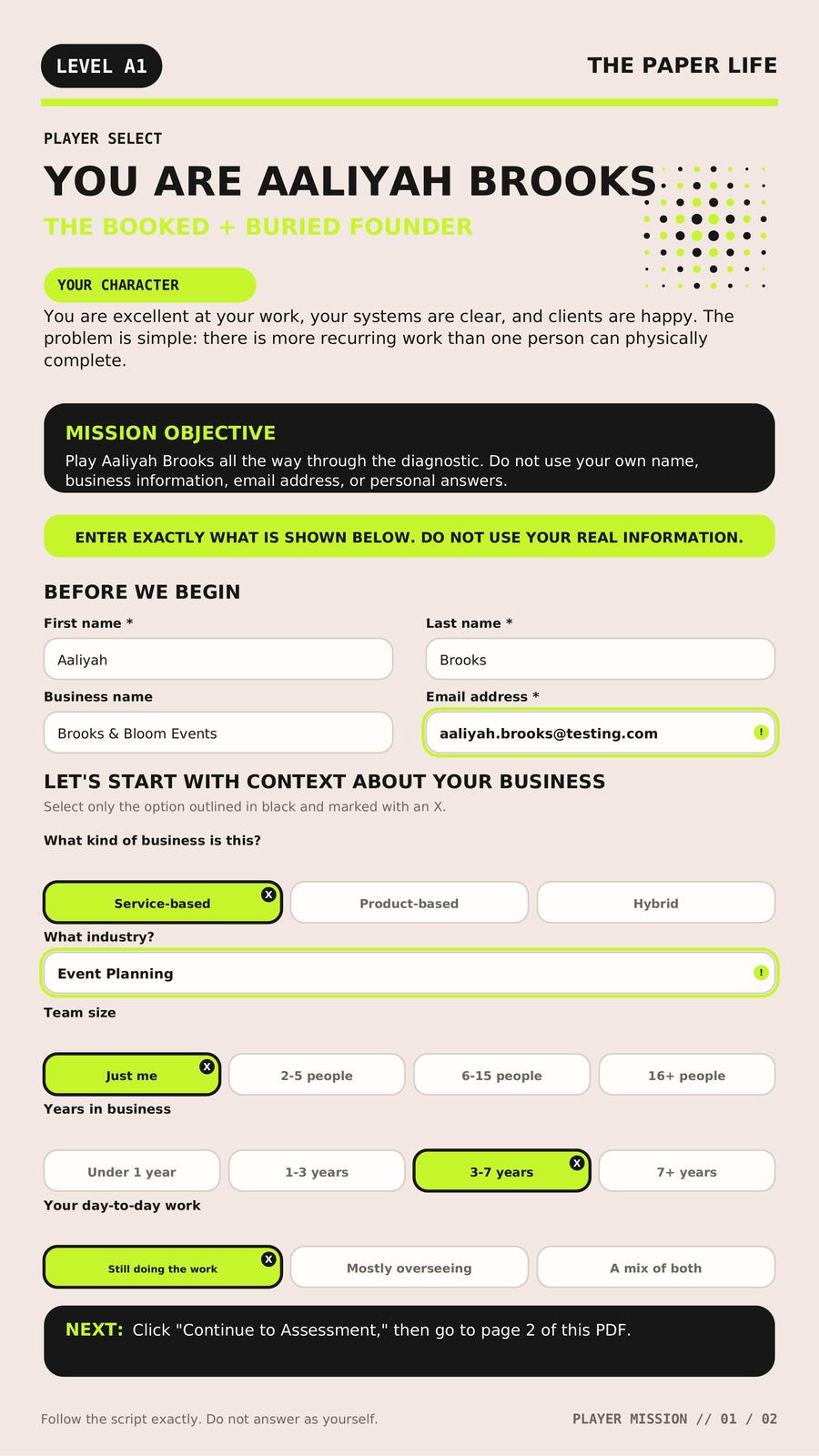
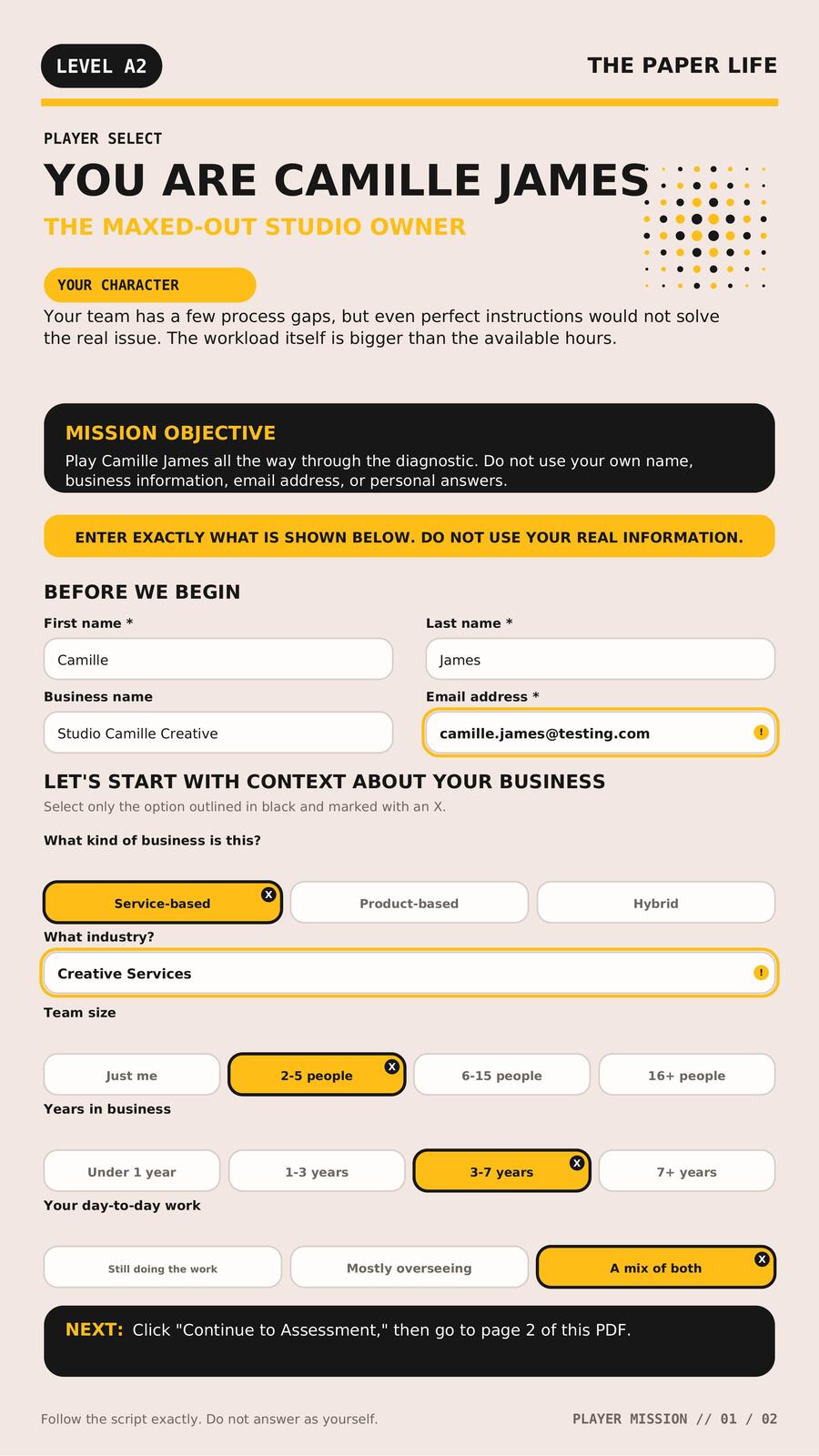
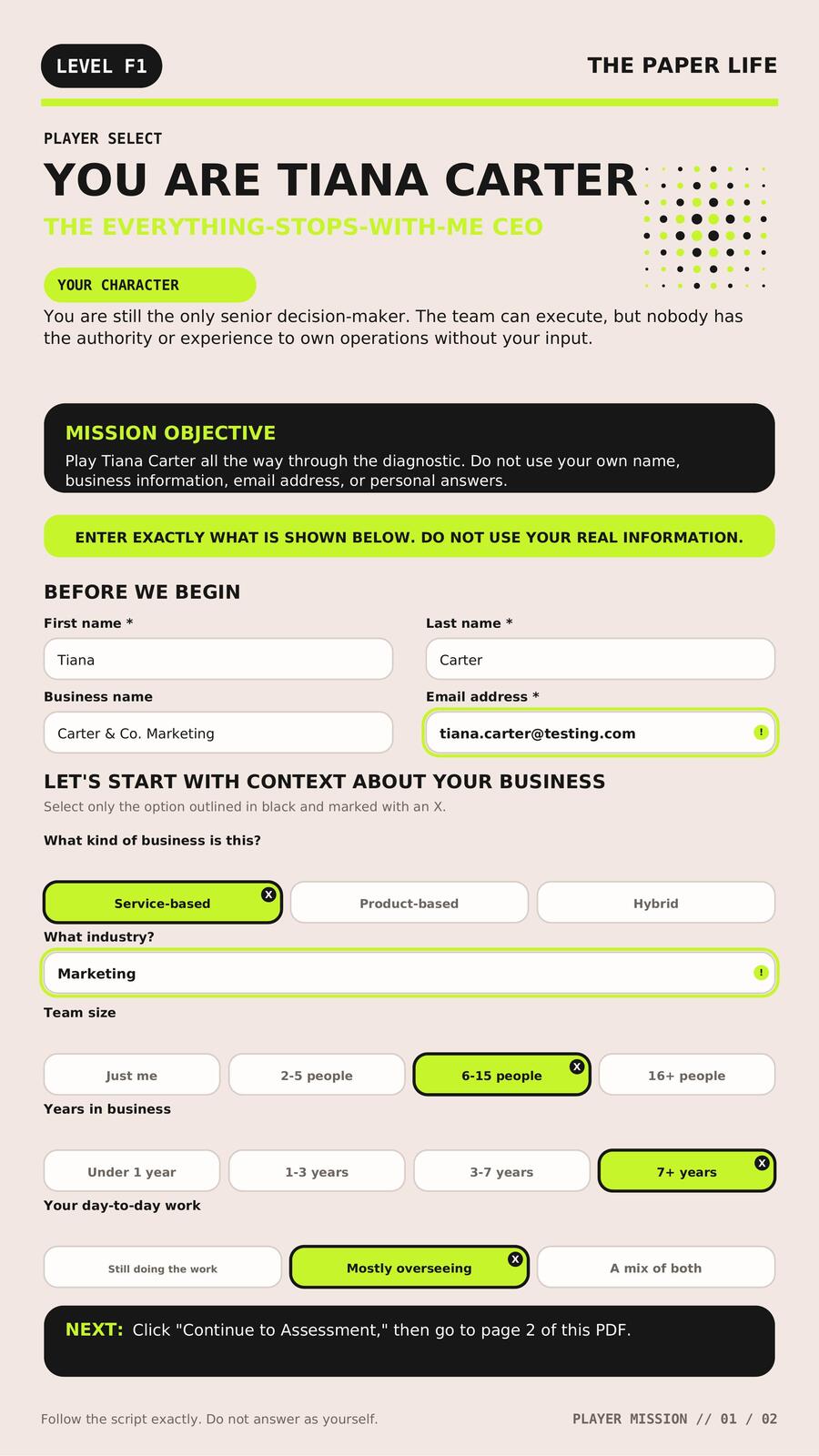
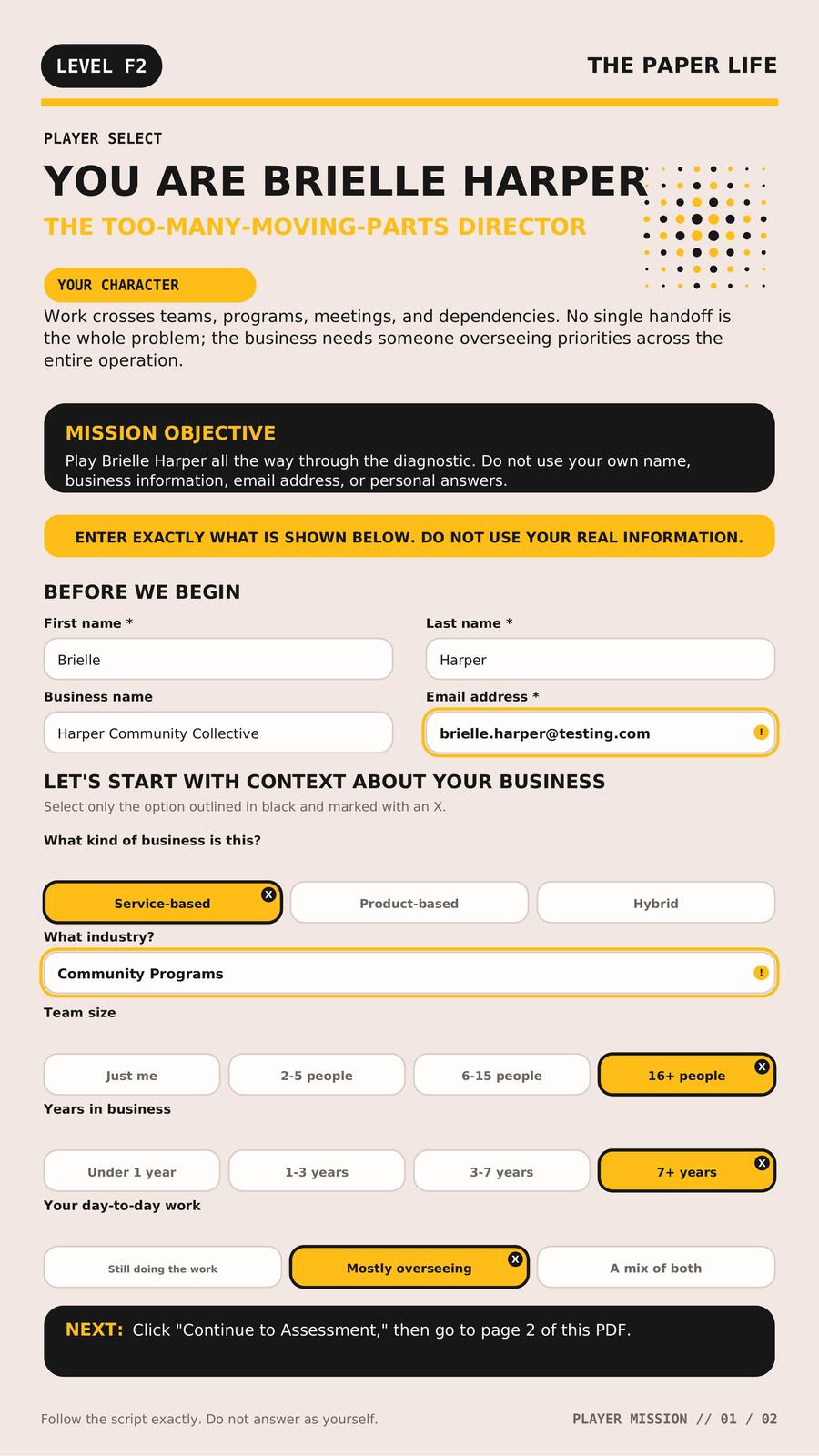
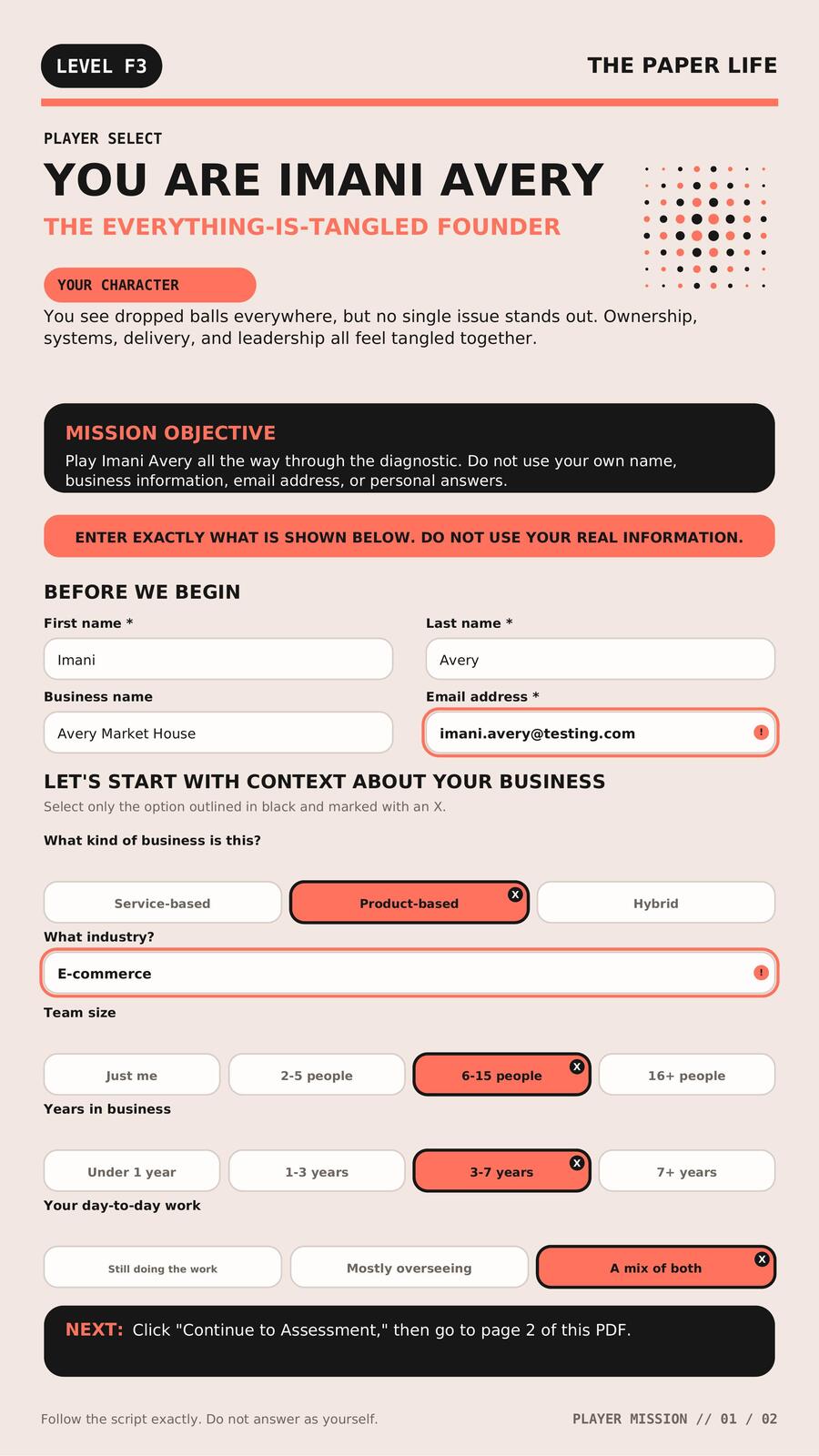
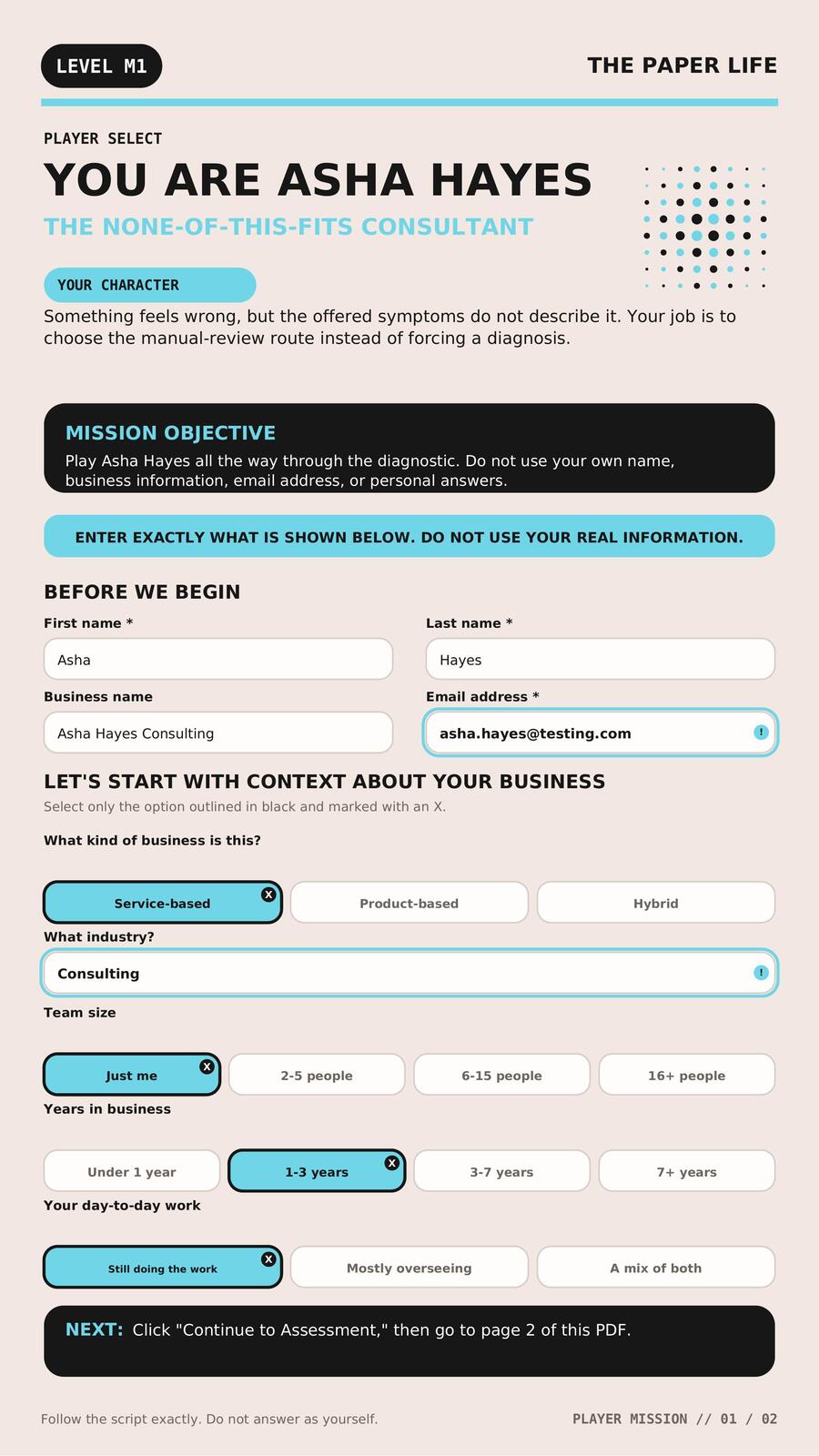
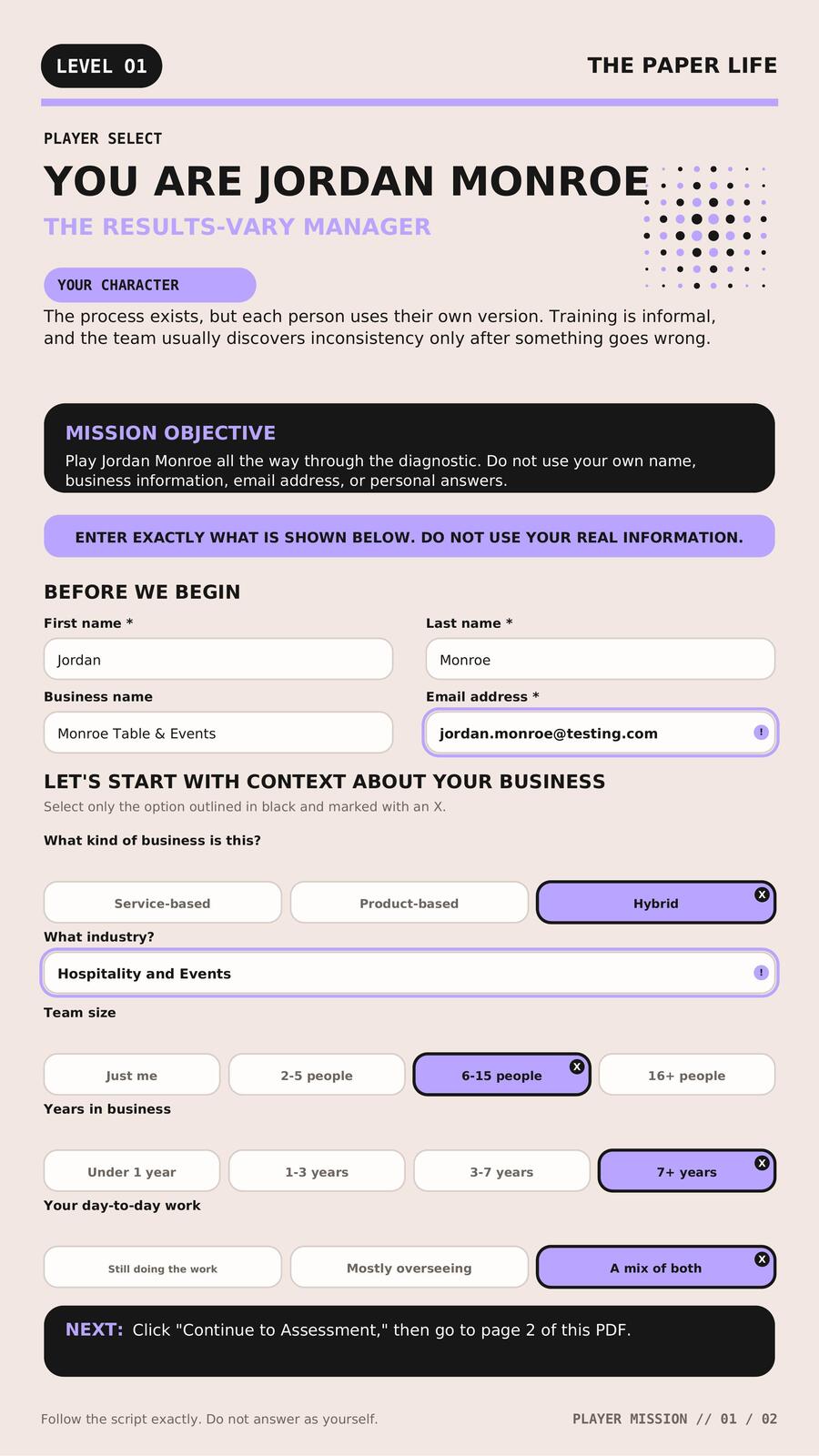
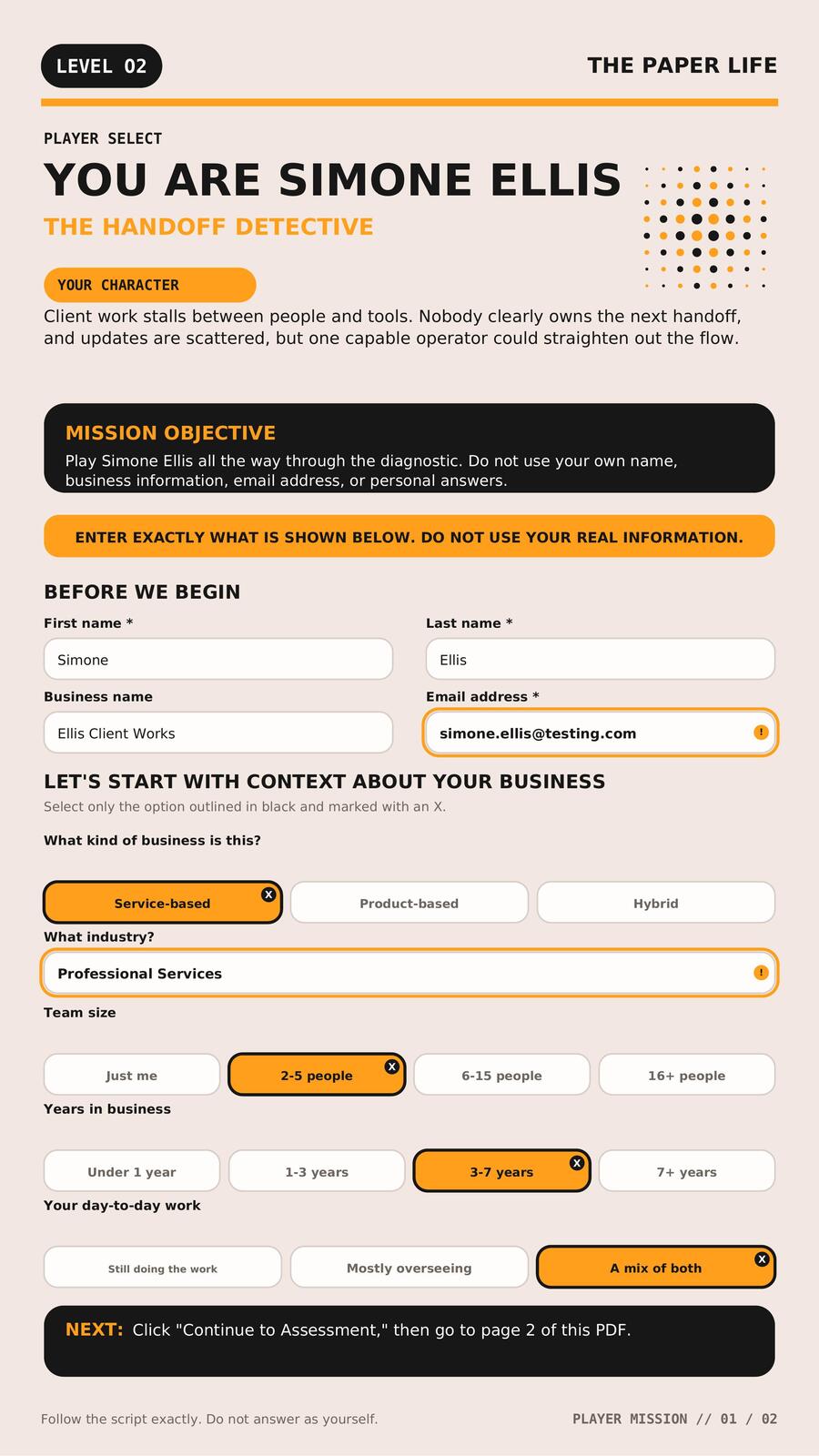
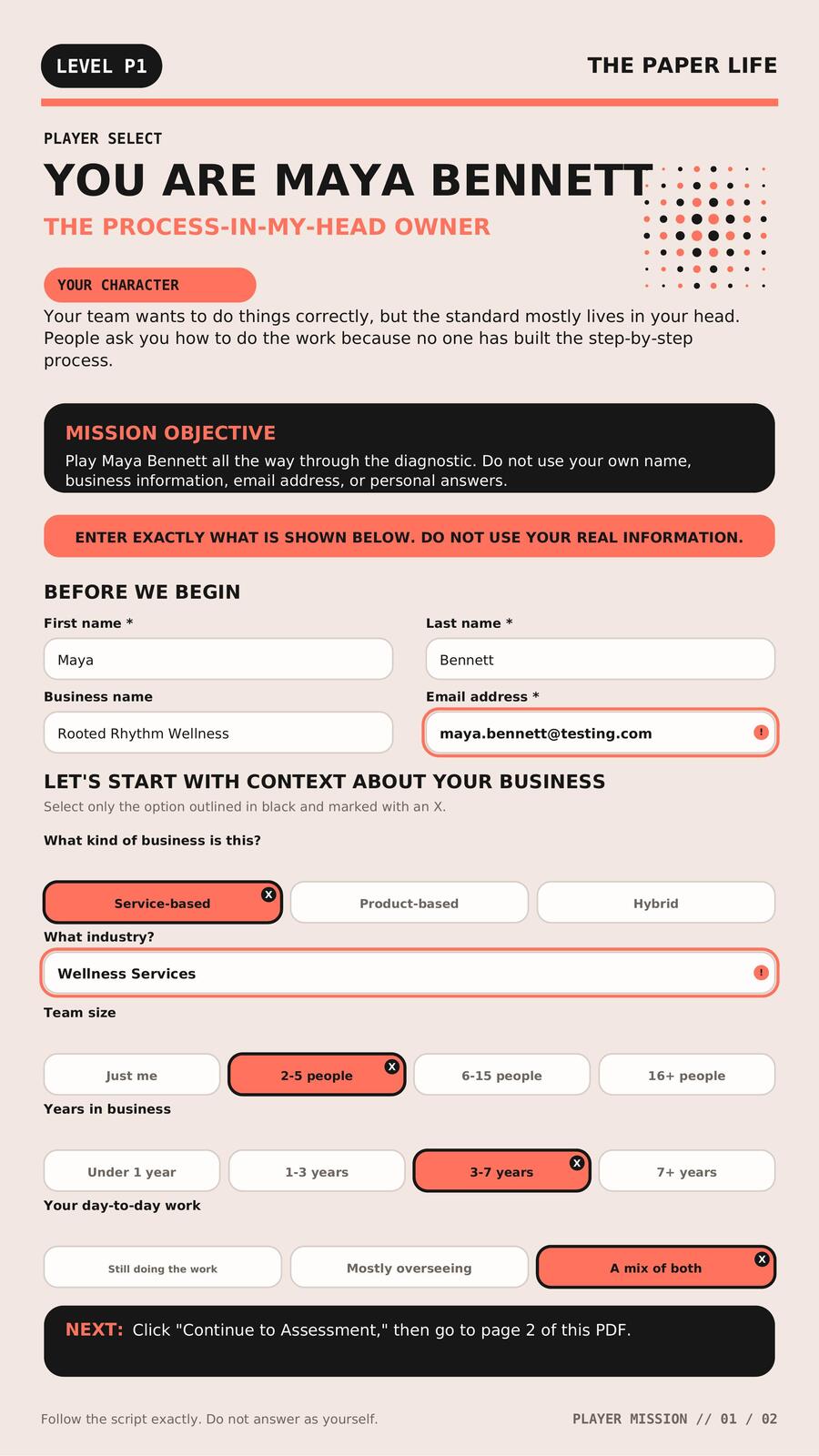
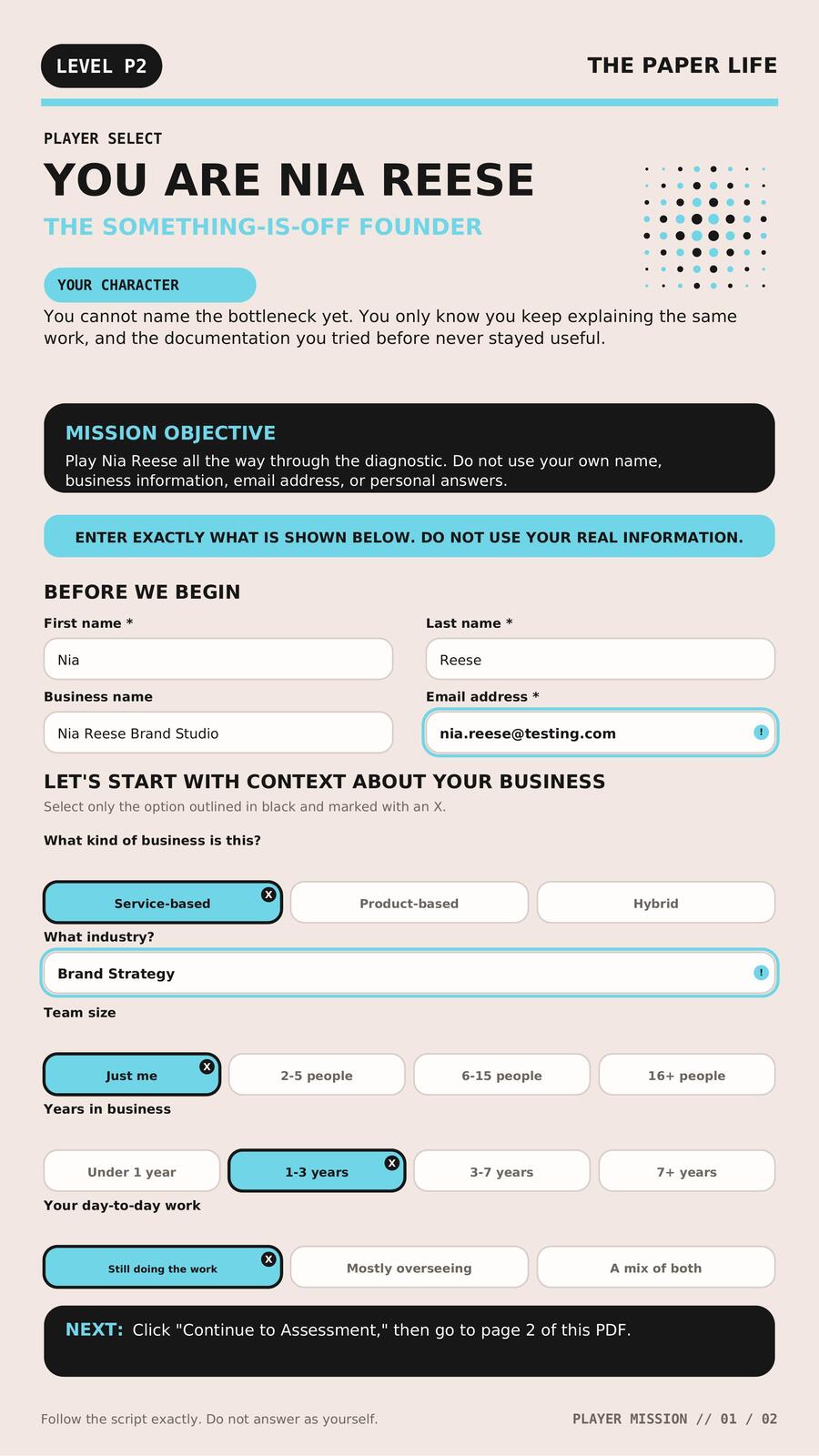
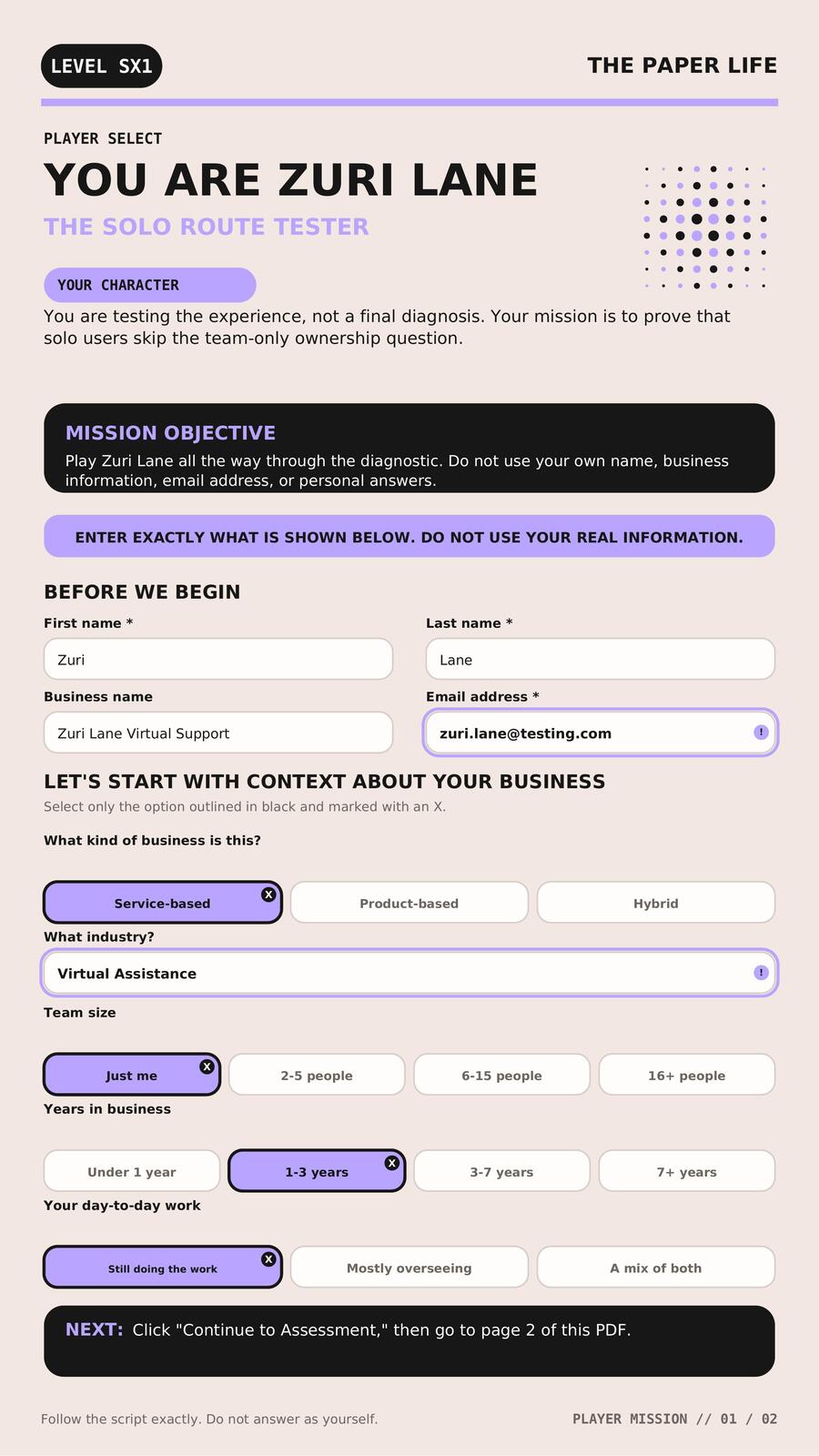
I built twelve controlled personas with exact names, business contexts, inputs, and expected results. I recruited testers, wrote their instructions, and tracked expected versus actual outcomes by product version.

  • 12 controlled personas
  • Acceptance style scenarios
  • Solo and non-solo validation
  • Expected versus actual tracking
Exhibit 08 Iteration evidence

Friction is data.

Case file entry / Erikka Young

Confusion became product evidence.

Testing surfaced a route that was too short, section numbers that did not match what users saw, an irrelevant team question for solo owners, and tester instructions with too much room for interpretation. I treated each one as a requirement, not a footnote.

  • Observed the gap
  • Diagnosed its cause
  • Prioritized the change
  • Retested intended behavior

Closing finding

The evidence shows the same pattern at every scale.

Observe

Find the need beneath the request.

Define

Turn ambiguity into clear requirements.

Deliver

Coordinate the work until the idea exists.

Validate

Test whether the outcome matches the intent.

Improve

Use friction as information for the roadmap.

“I do not need the problem to arrive organized. Organizing the problem is part of what I do.”

The Paper Life is evidence that I can own a problem from discovery through delivery, connect user needs to business value, and remain accountable for whether the experience works.

Click here to view the assessment ↗

For CJ’s attention

One more piece of evidence.

This case file covers The Paper Life, but it is not the whole picture. My resume is attached below for the rest of my background, and as a reminder of where this conversation started.